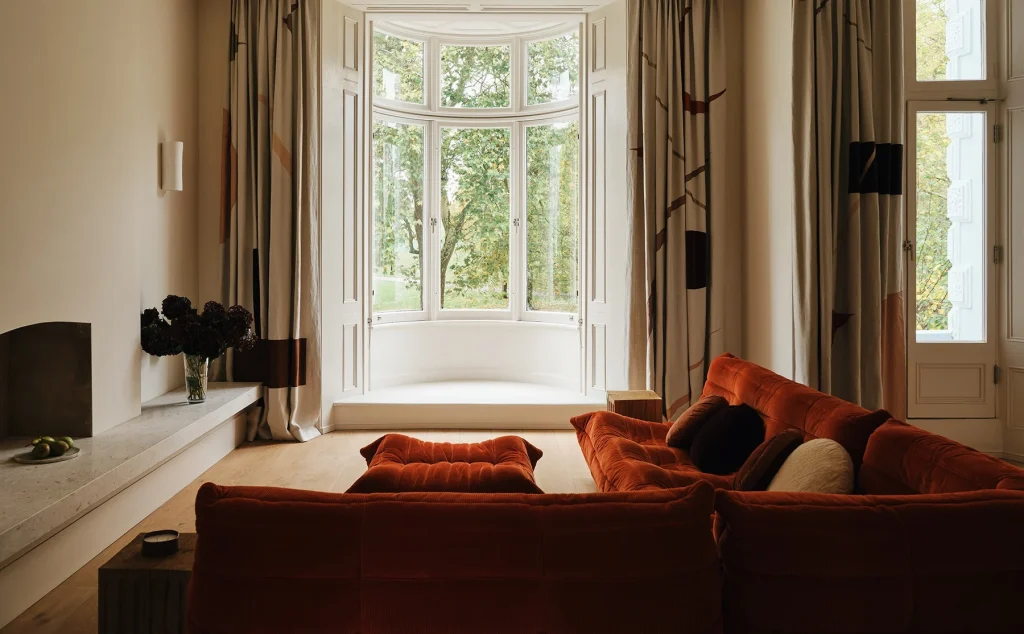
Wabi-sabi is a Japanese philosophy that finds beauty in imperfection, impermanence and the natural world. It values the character that comes from things being made, used and lived with, rather than kept new.
At Studio Iro, wabi-sabi isn’t simply an aesthetic we apply to a project - it’s part of how we think about a home from the outset. We start by looking at what you already have: which pieces are worth holding on to, and which could be given a new lease of life. From there, we layer in craftsmanship through bespoke furniture, materials with their own texture and character, and colour palettes drawn from nature.
The result is an interior that feels personal and layered - a home where old and new can sit beautifully together, and the things you already love become part of something new.
Designing for a home that evolves
We love pieces that aren’t tied to one particular room or moment - objects with enough character to stand alone, and enough versatility to move through a home and a life with you. Our homes change as we do, and we think the things within them should have room to change with us.
This philosophy sits naturally alongside Studio Iro’s design values. We believe in old and new living together, in materials that are allowed to age, and in craftsmanship over uniformity.
And wabi-sabi isn’t reserved for old buildings. A newly renovated home can embrace the philosophy just as naturally, particularly when reclaimed timber, salvaged stone, antique fixtures or handmade pieces bring a sense of history into an otherwise new space.
Ultimately, it’s the balance between old and new, permanence and impermanence, perfection and character that makes a home feel like it belongs to the people who live there.
What is wabi-sabi?
Wabi-sabi is a Japanese philosophy centred around the appreciation of simplicity, imperfection and the natural evolution of things. Rather than seeking uniformity or flawlessness, it encourages us to recognise the beauty in authenticity.
When translated into interiors, this philosophy moves away from spaces that feel overly styled or designed around a particular aesthetic. Instead, it celebrates homes that feel genuine and lived in - where materials have depth, objects have meaning and every element has a reason for being there.
Moving away from perfection
The most successful interiors are often the ones where different layers come together naturally: old alongside new, handmade pieces with contemporary design, artwork sitting comfortably alongside architecture.
We believe a home should reflect the people who live there, rather than a particular moment or style. This is where wabi-sabi feels especially relevant. The best spaces have room to evolve - gathering memories, objects and stories as life happens.
We allow space for personality, too. The artwork collected over the years, something brought home from a favourite trip, a piece of furniture inherited from family, or an object that means something simply because it has been part of your life for a long time.
These are the things that give a home its character. Not because they were chosen to complete a look, but because they belong there.
Natural materials and craftsmanship
At the heart of wabi-sabi is an appreciation for materials in their most natural form. Stone, timber, linen, wool, ceramics and handmade finishes each bring their own texture, variation and character to a space.
We’re drawn to materials that reveal something of how they were made. The marks of a hand, the subtle variation in a natural dye, the grain of a piece of timber or the uneven surface of a handmade ceramic all bring something that a perfectly uniform, manufactured finish can’t quite replicate.
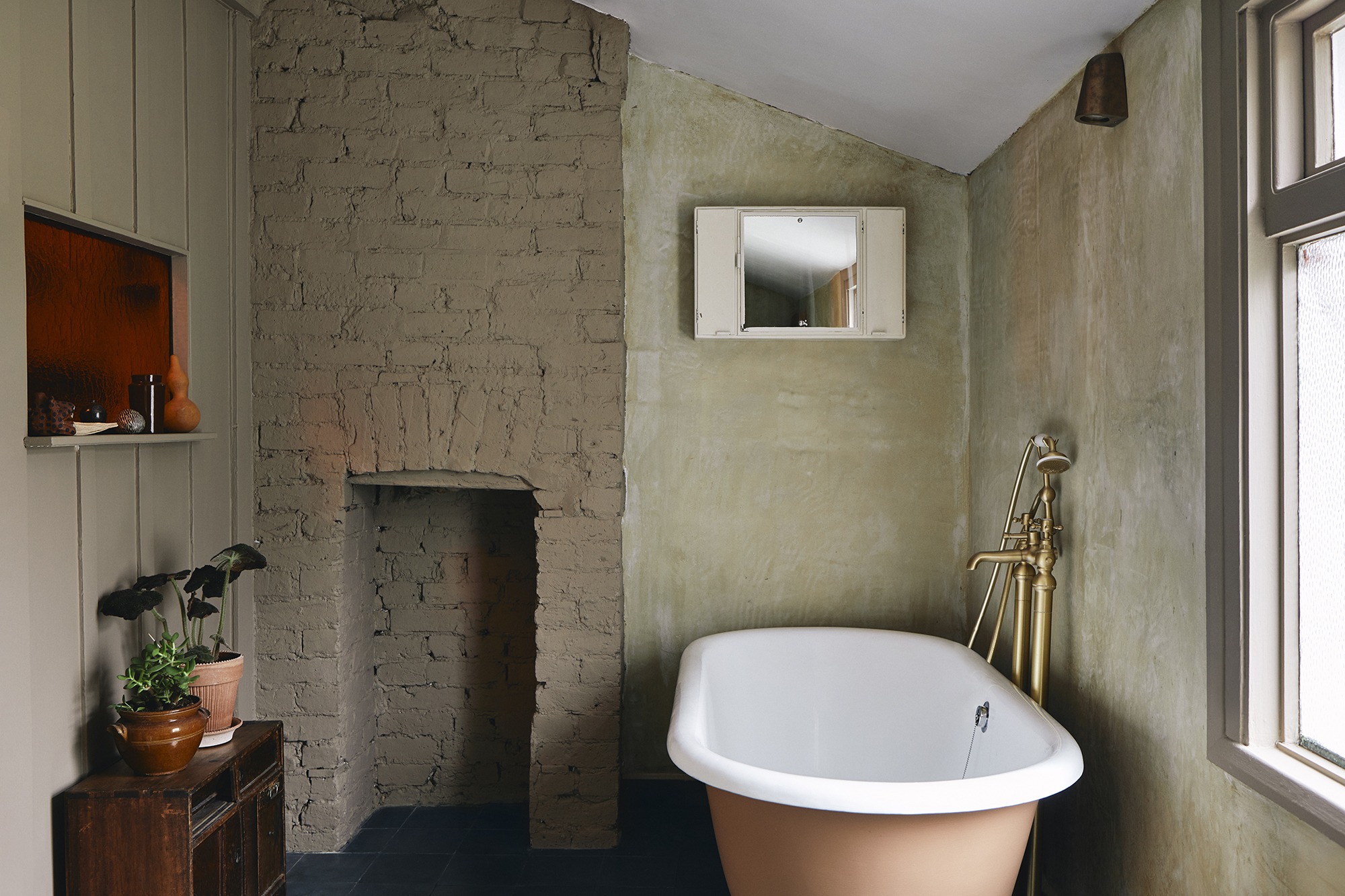
There’s also something to be said for the way natural materials age. Wood, metal, stone, linen and cotton tend to soften and develop character over time rather than simply wearing out. It’s one of the reasons we love working with them. Limewash, plaster, timber and stone can bring a warmth and depth to a room from the beginning, but they also change with use and with time.
For us, that ageing process is never an afterthought. When we specify a material, we’re thinking beyond how it looks on day one - considering how it will feel, wear and evolve over the next ten years and beyond.
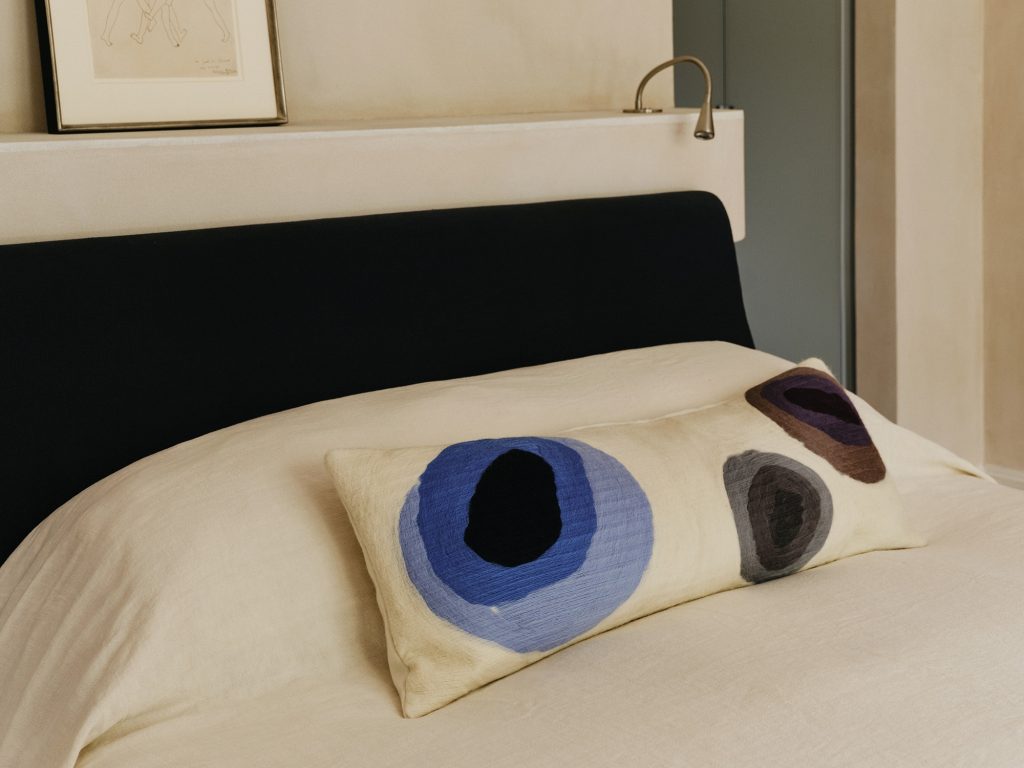
The same applies to craftsmanship. A handmade or bespoke piece carries something of the person who made it. It has a sense of individuality and permanence that can be difficult to find in mass-produced furniture, and often becomes more beautiful with use.
At Studio Iro, craftsmanship and materiality are central to creating interiors that endure. Bespoke pieces, carefully sourced furniture and finishes chosen for their texture and longevity allow each home to feel personal without feeling overly designed.
Rather than designing around trends, we look for materials and pieces that will continue to feel right years from now - and, ideally, become even better with age.
Wabi-sabi doesn’t have to mean neutral
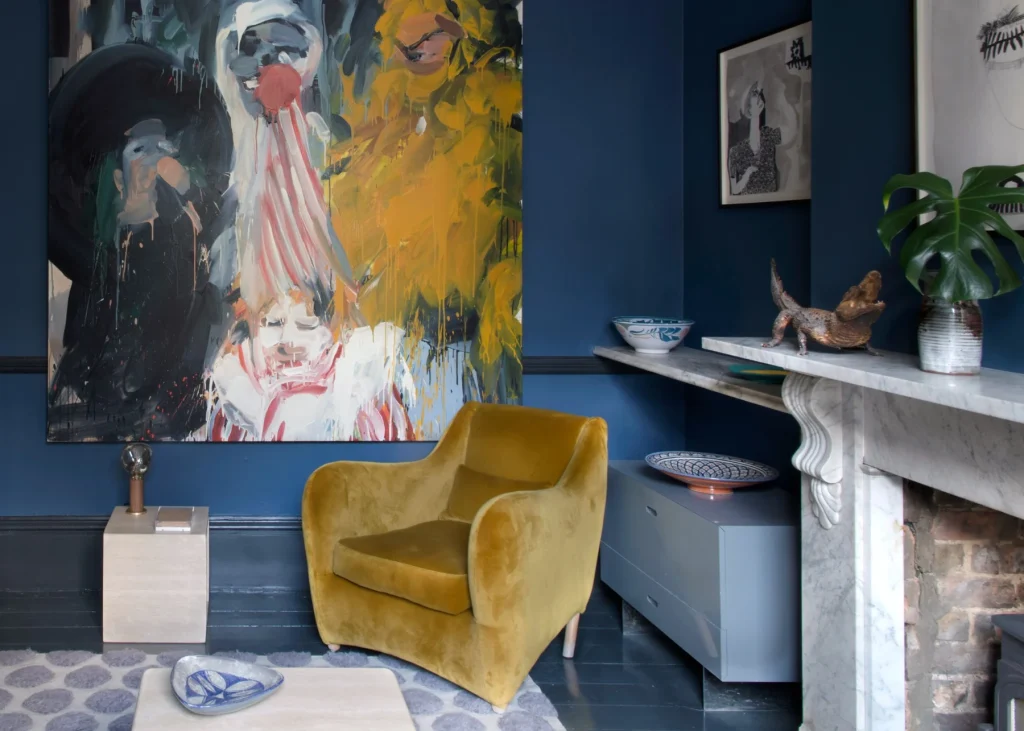
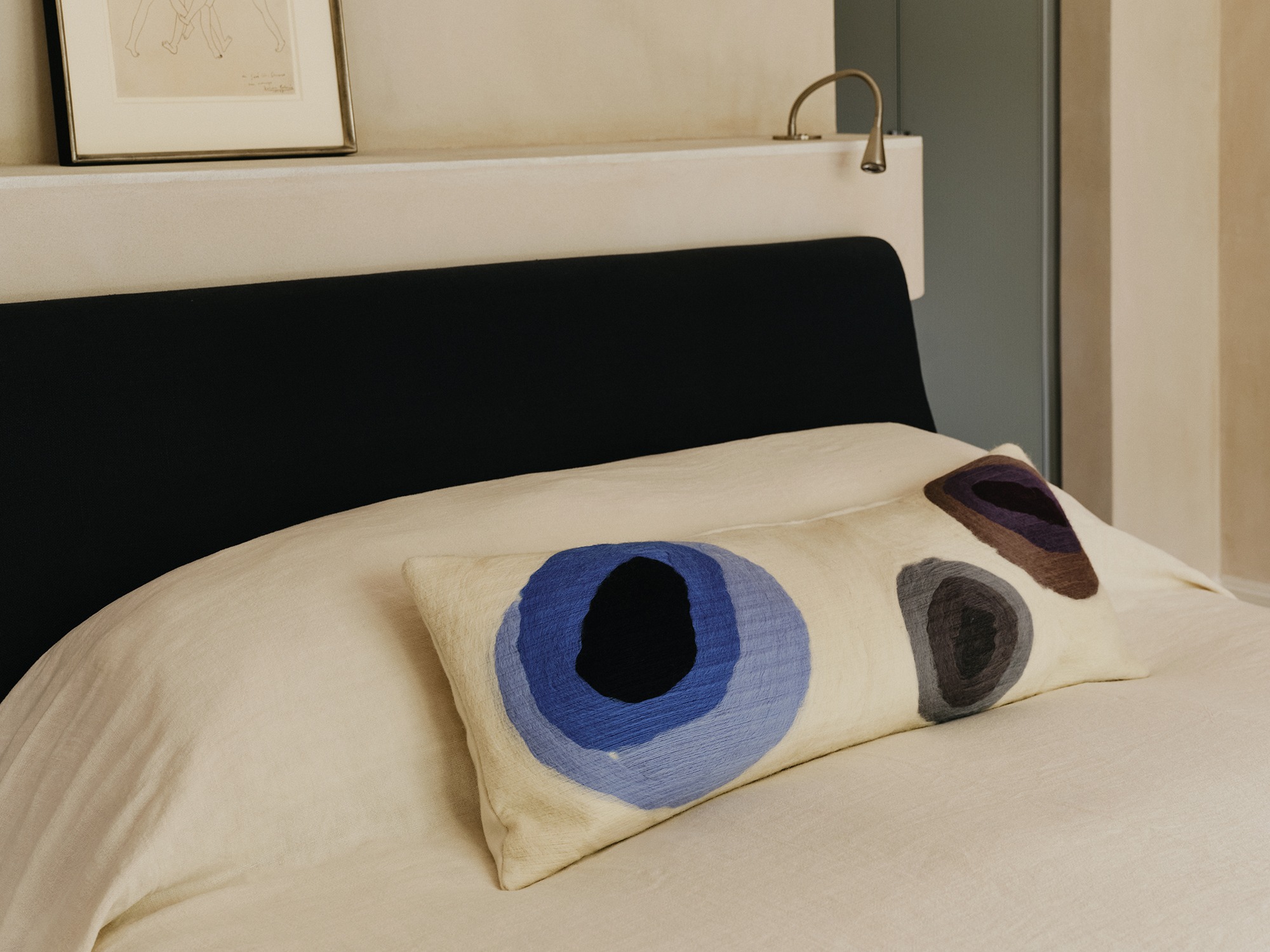
One of the more common misconceptions about wabi-sabi is that it means beige - soft, muted and entirely neutral. But wabi-sabi isn’t about following a particular colour palette. It’s about authenticity and imperfection, and there is plenty of room for colour within that.
We’re drawn to shades found in nature - deep blues, earthy reds, ochres and greens - as well as the more muted tones of stone, timber and plaster. What matters is how colour sits within the wider space: connected to the materials, objects and architecture around it, rather than chosen in isolation or dictated by a trend.
Letting existing pieces lead the design
A client’s existing furniture, artwork and objects can - and often should - heavily influence the direction of a project. Far from being something to design around, they’re frequently the best possible starting point, giving a scheme a sense of history and personality that’s impossible to manufacture from scratch.
Part of our job is identifying which of those existing pieces deserve to become important within the scheme. That usually comes down to a combination of value, quality and sentimental meaning - a well-made piece of furniture, an heirloom, or simply something a client can’t imagine living without.
It’s also worth saying that some of the biggest transformations in a room come from decisions that are easy to overlook. Flooring and curtain fabrics can dramatically change the feel of a space, and the same goes for rugs - they’re often where texture, colour and history can be introduced most effectively.
Wabi-sabi is more than an aesthetic
If there’s one thing we’d want people to understand, it’s that wabi-sabi isn’t purely an aesthetic. It’s easy to think of it as a set of materials or a colour palette, but at its core, it’s a way of living and of thinking about the earth and your surroundings - an appreciation for things as they naturally are, rather than how we might force them to be.
How Studio Iro brings wabi-sabi into contemporary interiors
We believe the most successful interiors balance refinement with warmth; craftsmanship with comfort; and beauty with individuality. Through thoughtful spatial planning, carefully chosen natural materials, bespoke details, artwork and curated objects, we create interiors that feel personal to the people who inhabit them.
Wabi-sabi reminds us that the spaces we love most are often those that carry a sense of history, character and connection. They are homes that continue to evolve, becoming richer and more meaningful with time.
Thinking about bringing more wabi-sabi into your own home? Get in touch, we'd love to talk it through.
FAQs
What is wabi-sabi interior design?
Wabi-sabi is a Japanese philosophy that values simplicity, imperfection and the natural evolution of things over flawlessness or uniformity. Applied to interiors, it means designing homes that feel genuine and lived in rather than overly styled - spaces where materials are allowed to show texture and age, objects carry meaning, and every element earns its place rather than existing purely for effect.
What are the main characteristics of a wabi-sabi interior?
A wabi-sabi interior tends to combine natural materials, visible texture, handmade craftsmanship and a sense of imperfection with meaningful objects and considered, rather than sparse, simplicity. Old and new elements sit together, surfaces are allowed to age naturally, and nothing feels forced into place simply to complete a look.
What colours are used in wabi-sabi interiors?
Natural, earthy tones are common in wabi-sabi interiors, often drawn from materials like stone, timber, clay and plaster. But wabi-sabi isn’t restricted to a neutral palette - colour can absolutely be introduced.
Does wabi-sabi have to be minimalist?
Definitely not - a wabi-sabi interior could actually just as easily be maximalist. The philosophy is about considered simplicity, not an absence of possessions. It’s less about how much a room contains and more about whether each piece within it is meaningful and has a genuine reason for being there.
What materials work well in a wabi-sabi home?
Timber, stone, plaster, limewash, linen, wool and ceramics all work well, largely because they have natural variation and age gracefully rather than simply wearing out. These materials bring a depth and warmth that uniform, manufactured surfaces struggle to replicate.
Can wabi-sabi work in a contemporary home?
Oh yes. Wabi-sabi doesn’t require an old or characterful building to work - tactile natural materials, handmade pieces, a client’s existing possessions and natural variation in finishes can all bring warmth and character to even the most contemporary architecture.
Can antique and contemporary furniture work together?
Absolutely. In fact, the tension between old and new is often what gives an interior its character.
Antique and contemporary pieces can sit together beautifully when there is a sense of balance between them - through proportion, material, colour or simply the way they relate to the architecture around them. An antique chair can bring warmth and history to a contemporary room, while a modern piece can give an older one a fresher feel.