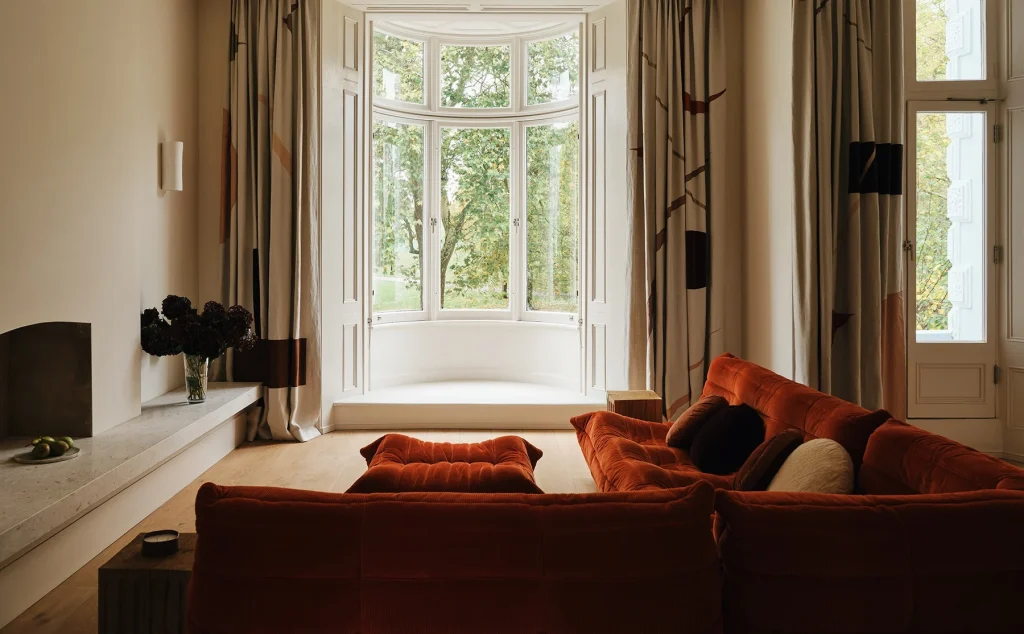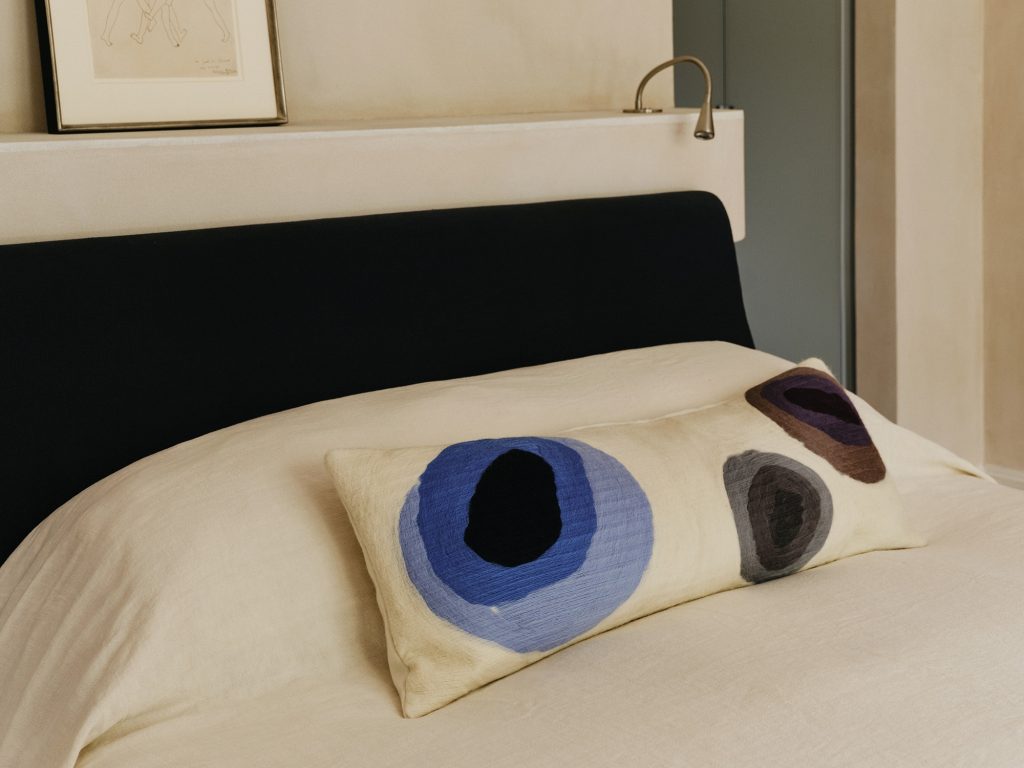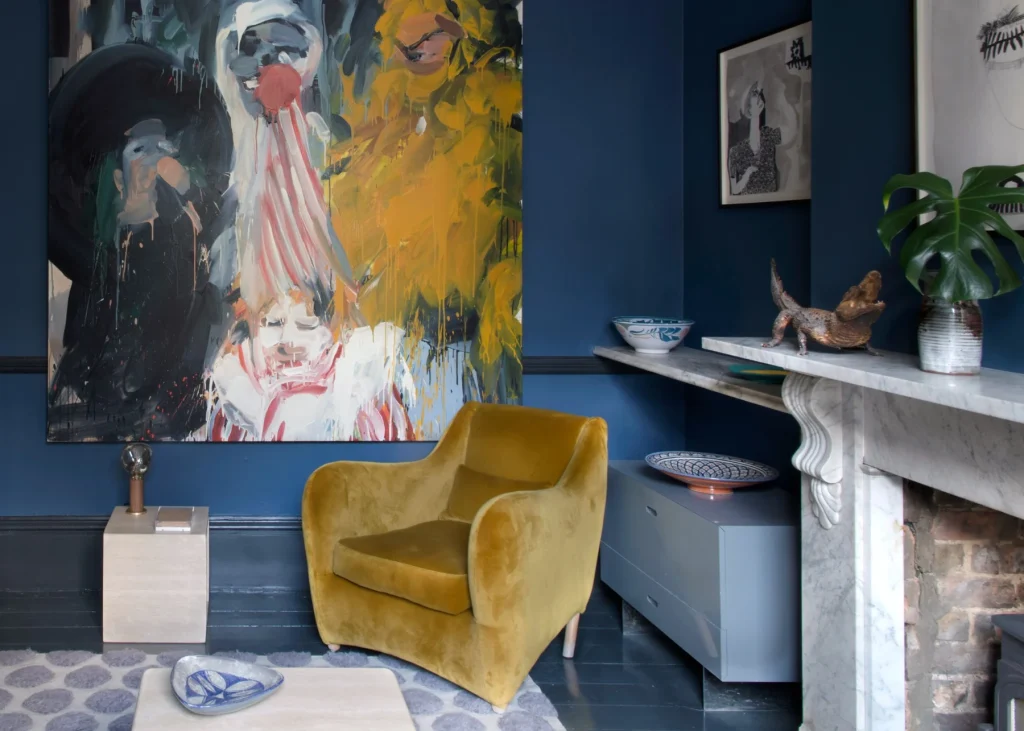
The art and objects in a home are what give it a voice, and a collected home speaks through what's been gathered over years. A piece of art found at a small gallery, heirlooms passed down, textiles chosen whilst travelling. Follow your instincts - add rather than replace, and let your story build over time.
1. Design around what you already own
If you’re starting to redesign your home or want to give it a refresh - start with what you already have. The art, the heirlooms, the small objects that carry history. These pieces can set the tone for a space, giving your room a starting point that already feels personal - rather than a blank canvas waiting to be filled.
2. Let art be collected over time
The strongest art collections build slowly, piece by piece, as taste develops and life moves on. A painting bought on a first trip abroad, a print discovered years later, a portrait inherited from a grandparent - together they read as a story rather than a single purchasing decision. Give a room room to grow into its art, rather than trying to complete it in one go.
3. Give heirlooms a place of honour
An inherited object carries weight that a new one simply can't replicate. Whether it's a piece of furniture, a set of china, or a single small keepsake, giving it genuine prominence - rather than tucking it away out of politeness - lets its history do real work in the room.
4. Choose pieces carefully when travelling
The best travel finds are chosen because they genuinely appeal, and because there's already a sense of where they'll live back home. Textiles, ceramics, small sculptures, baskets - a piece chosen with its destined space in mind carries its meaning even more clearly once it's home, seen properly in the finished room, not tucked away in a cupboard never to be seen again.
5. Feel free to display your onto the sentimental pieces
An old photo, your kid’s drawing, a gift from a best friend - these pieces might not fit a colour scheme or a period, but they're often the most sentimental things in the house. Finding a considered way to display them is a really nice way to make your home feel collected and full of meaning and memories.
6. Display collections with intention
A collection gains presence when it's grouped and considered, rather than scattered. Repetition of objects - a run of ceramics, a wall of small artworks, a shelf of found stones - creates a sense of curation. Group by colour, material or scale, and the connections between the pieces start to do the work.
7. Use negative space as a tool
The space around an object is as important as the object itself. Leaving room to breathe - an empty shelf beside a full one, a single piece on an otherwise clear surface - gives each item the chance to be seen properly, and stops a considered collection from tipping into clutter.
8. Build a home that keeps evolving
The most collected homes stay in motion, with new pieces finding their place alongside old favourites over the years. The aim is a home that keeps gathering meaning, rather than a finished look achieved once and left untouched - one object, one story, at a time.
A collected home is built from the things you love: art that catches your eye, objects that hold a memory, and pieces gathered along the way. Over time, these layers create a home that feels personal and full of character, with each piece having its own place in the story. If you’re looking to bring together a mix of old and new, or need help finding the right pieces to complete your home, we’d love to hear from you. Get in touch to talk about your project.